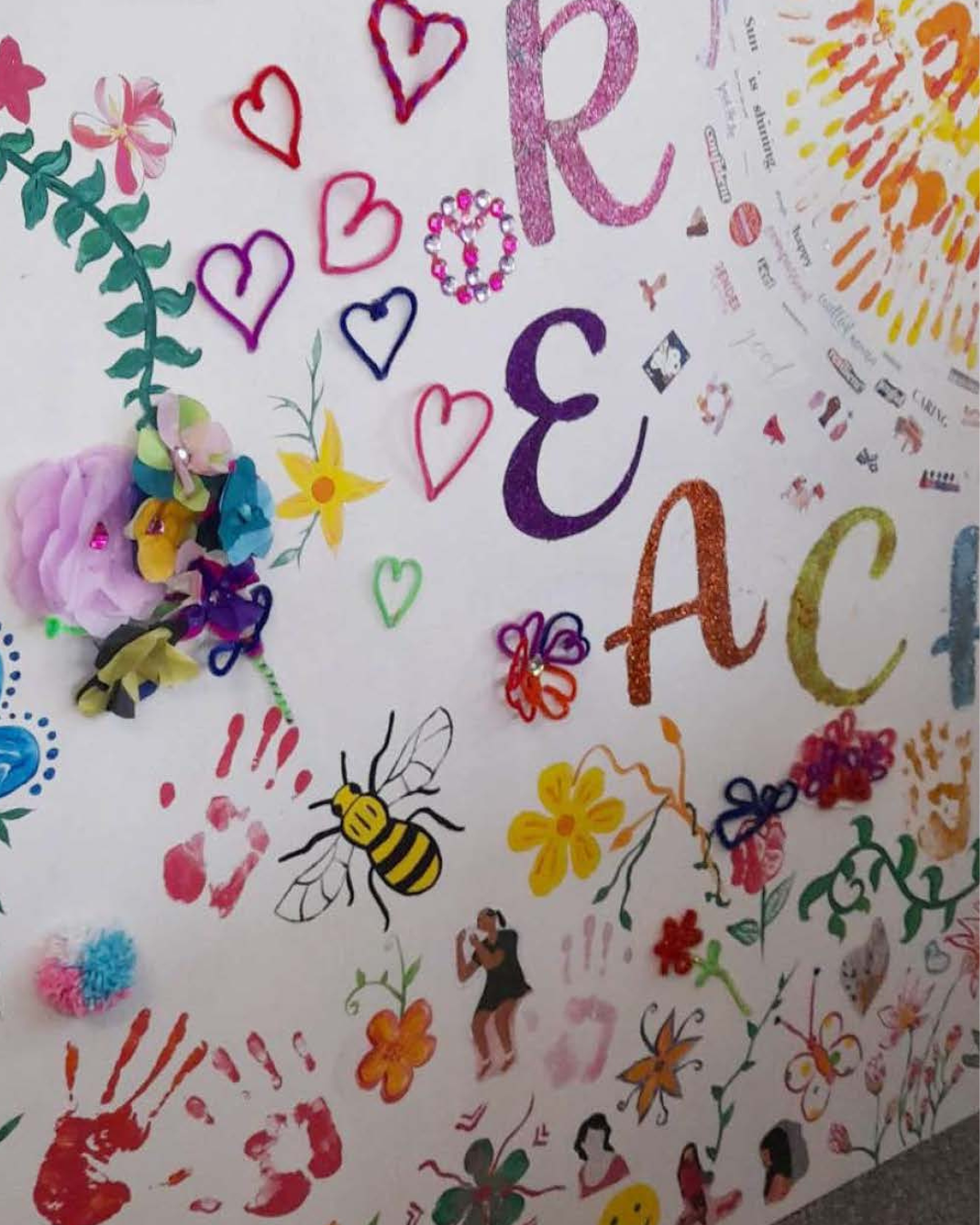
Charity Spotlight: Manchester Women’s Aid

This White Ribbon Day, we’re shining a light on Manchester Women’s Aid, a charity helping young people experiencing domestic abuse and homelessness find safety, stability and a way forward.

Location

PANKHURST TRUST, Nelson Street, Manchester, UK

For young people experiencing domestic abuse, home isn’t always a place of safety. Leaving an abusive situation can mean leaving behind everything familiar, often without somewhere secure to go.

At LandAid, we know that ending youth homelessness means addressing the circumstances that put young people at risk in the first place. That’s why we’re proud to support Manchester Women’s Aid through a £27,400 grant, helping 85 young people aged 16–25 access specialist housing advice, advocacy and practical support.

Domestic abuse and youth homelessness

Domestic abuse and youth homelessness

Domestic abuse is a significant driver of youth homelessness. For young people experiencing abuse, finding somewhere safe to live can be the first step towards rebuilding their lives.

But in Manchester, securing affordable, stable accommodation is increasingly difficult. More than 21,000 households are on the city’s housing waiting list, with many applicants facing waits of over five years for smaller homes. For young people fleeing abuse, these pressures can make an already difficult situation even more challenging.

The need for specialist support is growing.

Manchester Women’s Aid has seen the proportion of young people aged 16–25 accessing its Reach housing support service rise from just 4% in 2022–23 to 20% in 2025–26.

These figures tell an important story: more young people are turning to frontline services for help, and they need support that recognises the combined impact of domestic abuse and homelessness.

Supporting young people to find safety and independence 

Supporting young people to find safety and independence 

Manchester Women’s Aid works with people experiencing domestic abuse, helping them find safety, access appropriate accommodation and take steps towards independent lives.

Since 2021, its Reach service has supported 1,231 adults to achieve positive housing outcomes, including finding safe accommodation, applying for social housing, accessing benefits and improving security at home.

However, young people often face distinct challenges. Limited housing options, financial insecurity and the trauma of abuse can make it especially difficult to find a safe, stable place to live.

Recognising this growing need, Manchester Women’s Aid is developing Reach Young People, a dedicated programme for young people aged 16–25 experiencing or at risk of homelessness linked to domestic abuse.

The programme will provide personalised, survivor-led support, helping young people rebuild confidence, understand their rights and move towards safety and independence.

What LandAid funding makes possible

Through LandAid’s Young Futures Fund 2026, we’re awarding £27,400 to Manchester Women’s Aid to support 85 young people through the Reach Young People programme.

This funding will help provide dedicated, one-to-one support tailored to each young person’s circumstances.

From navigating housing applications and accessing benefits to finding safe accommodation and improving security at home, the programme will help young people make informed choices about their futures.

Crucially, it will go beyond immediate housing needs, supporting young people to recover from their experiences, build resilience and regain a sense of control over their lives.

The programme aims to deliver three important outcomes:

  • Improved wellbeing and confidence: helping young people recover and rebuild their independence.
  • Greater safety and security: supporting young people to find safer, more stable living arrangements.
  • Better understanding of housing rights and options: giving young people the knowledge to make informed decisions about their futures.

The service will support survivors of all genders, with an inclusive approach that recognises the different barriers and disadvantages young people may face.


What our support means to Manchester Women's Aid

What our support means to Manchester Women's Aid

Claire, Strategic Lead at Manchester Women’s Aid said:

Manchester Women’s Aid are hugely appreciative of this much needed funding from LandAid. Year on year we have seen the increase in young people needing support due to experiencing domestic abuse and homelessness, resulting in their feeling lost and alone and pushed into the adult world too soon. Thanks to Land Aid we now have the addition of a specialist young people’s worker in our Reach Team who will provide the skills, experience and dedication needed to fully support young people who have been through devastating experiences of abuse and are lacking a secure home. It is often the case that the young people who come through our service have never lived independently before and present with a wide range of complex support needs including domestic abuse, homelessness, social isolation, poor mental health and well-being.

Through this funding we will have the capacity to offer tailored support to homeless young people, addressing the domestic abuse they have experienced, ensuring they are safe and providing practical support to access housing. We will also direct support to building their skills and confidence in tenancy management/sustainment alongside work and programmes to build their confidence and self-esteem, improve health, develop healthy relationship awareness, and enhance their ability to access work and skills opportunities. We are looking forward to sharing updates and positive stories of our achievements over the upcoming year.

John’s* story

John (19) had experienced domestic abuse from both his parents, including physical and emotional abuse, coercive control, isolation and financial abuse. John was often left without any means of money, the small amount he received from benefits was taken off him and he was subject to daily name calling, put-downs, abuse and at times – violence.

Following one particular violent incident the police were called, and John left the family home to sofa surf with people that he knew but was increasingly at risk of being forced into rough sleeping. Having no means of secure accommodation, he presented homeless with the local council and was then referred into our Reach support service. Upon initial assessment it became apparent that John’s mental health and well-being had been impacted by the long-term abuse and being thrown into homelessness. He was struggling with what seemed to be an undiagnosed eating disorder, depression, anxiety and experiencing suicidal ideation that was severely impacting on his ability to function day to day.

* name has been changed for anonymity.

John's time at Manchester Women's Aid

John's time at Manchester Women's Aid

During his time in service John was supported through the challenging process of reporting the abuse he had experienced to the police. He engaged in our Moving on toolkit – domestic abuse and healthy relationship work, helping him to understand that abuse had not been his fault and aiding his recovery. John was supported to access health services. He was fully assessed for the first time and was diagnosed with Autism, ADHD and Complex PTSD. He was able to engage in a treatment plan through a multi-agency approach for his health conditions and attend counselling which brought about improvements in his day-to-day functioning, mental well-being, and saw the end of his suicidal thinking through increasing his hope for the future.

John was supported to register for social housing, be granted priority banding and access the means needed for private renting. He has also engaged in sessions to build his tenancy management and independent living skills. Although John is still waiting for his permanent settled home, he now has the safety, support, skills and knowledge that have started him on the path he needs for a positive, happy future and access to grants that will help him to start to build his own home.

John told us the support from Reach was exactly what he needed to help him overcome the many hardships he faced. Having to navigate so many different systems and services throughout the process was really overwhelming and he doesn’t think he would have achieved what he did without our dedicated, specialist support along the way.

Why this matters to the property industry

This White Ribbon Day, we’re reminded that everyone has a role to play in challenging violence against women and girls.

For the property industry, there is an additional responsibility, and opportunity,  to help ensure young people facing homelessness can access the safe, secure homes they need.

Through funding, housing expertise, partnerships and practical support, our industry has the power to make a tangible difference. But providing a roof alone isn’t enough. Young people who have experienced domestic abuse need specialist, trauma-informed support alongside access to housing if they are to build stable, independent futures.

That’s why partnerships with LandAid, and in turn with charities like Manchester Women’s Aid matter. By bringing together the expertise of frontline charities and the resources of the property industry, we can help young people move beyond crisis and towards the futures they deserve.

Together, let's end youth homelessness.

This White Ribbon Day, we're standing alongside Manchester Women's Aid and the young people they support. Because everyone deserves somewhere safe to call home.

Partner with Purpose. Change Young Lives.